
Our APAC tour continued last week with a stop in Seoul, South Korea. There our investors, partners, associates, and friends were eager to hear our message on markets and how private credit fits into the current climate.
Korea’s overhanging long-term geopolitical issue, according to local sources, is what to do with China. It’s an economic challenge to be caught between the US and its biggest trade partner. Semiconductors are Korea’s number one export to China, but not enough to offset last year’s trade deficit – the first.
Pressures from China are no doubt mounting from other trade agreements, such as the recent one between Samsung and GM to build lithium battery factories in the US. Also on Korea’s watchlist are its strategic relationships with Japan and Russia designed to strengthen economic and business partnerships.
April CPI is 3.7%, down from 4.2% in March. With planned increases in electricity price, however, inflation is still lurking. The Bank of Korea has been hamstrung to raise rates further with the economy decelerating (Chart of the Week). That dynamic has also elevated USD/KRW swap spreads to 200 bps.
Demographics play a vital role. South Korea’s population is shrinking at a 0.20% pace, compared to Japan’s -0.50%. A contributing factor is its declining fertility rate of 0.78, the lowest of all OECD nations.
The cost of living has risen in recent years. Expensive housing – especially in Seoul, the world’s fourth largest metropolitan city – adds to the problem. Higher education costs plus private tutoring to keep up with the intensively competitive environment are also headwinds. Finally, household debt – weighed down by mortgage and consumer debt – is 108% of GDP. This ratio is one of the highest among developed countries.
The South Korean banks dominate the lending scene, though with less interest in overseas activity. Life insurance companies, led by Samsung, Hanwha, and Kyobo, have a high penetration rate and are important regional players in alternative investing.
Another key segment of institutional investors is pension funds. The National Pension Service (NPS) at $700 billion is one of the world’s largest. All Koreans pay into it. Pension managers for major corporations such as Kia and Samsung also have teams covering real estate, infrastructure, private equity and private debt.
The setting in South Korea for private debt appetite is ripe. Next week we look at how investors are thinking about the asset class.


Latest news
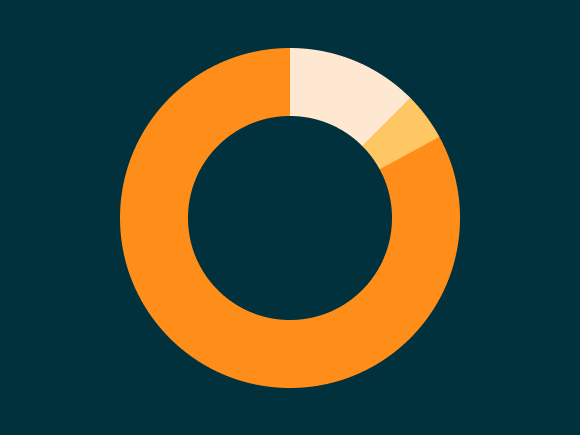
Top 50 BDCs Accounted for 75% of Nonaccrual Loan Cost in Q2’26
The 50 largest BDCs, on the basis of total debt investments as of the second quarter of 2026, accounted for 75% of the total aggregate reported value of nonaccrual debt at cost and fair value.

US private debt AUM ($B) by channel
In 2025 and the early part of 2026, the retail channel added AUM to the asset class at a much faster rate than institutional investors in both regions, with growth rates of 43.7% globally, 41.4% in the US, and 73. 1% in Europe through the beginning of 2026 compared with year-end 2024 figures.