
The strategy had a strong run for several years, but that spurt could be over.
Real estate debt seemed to be enjoying its moment in the sun – the strategy has risen annually since 2014, and in 2017, it shot up by almost $13 billion. But it now may be past its heyday, according to PDI Perspectives 2019, our annual LP survey.
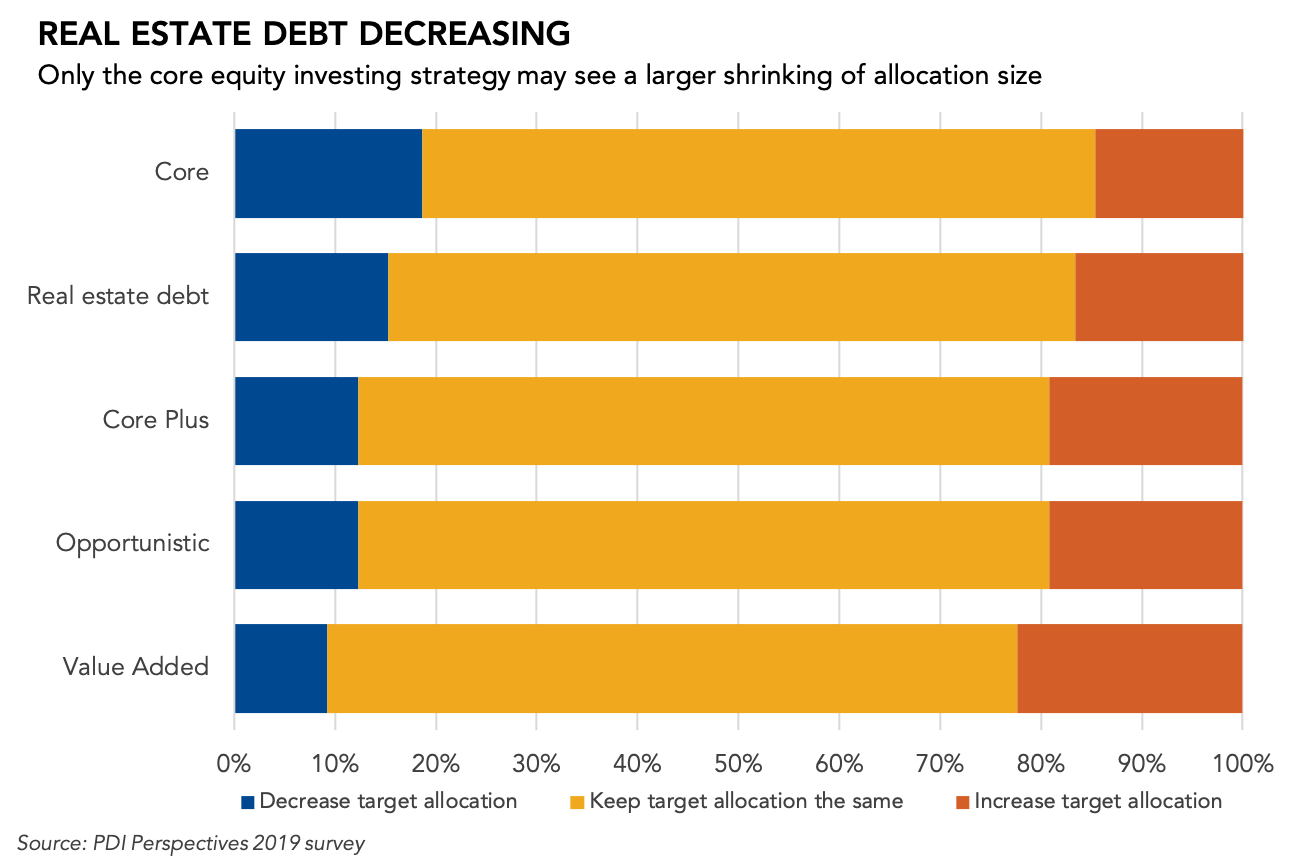
Of the five real estate strategies, about 15 percent of investors told Private Debt Investor that they planned to lower their allocation to real estate debt, the second largest response for a strategy. Only the core real estate equity strategy had a higher number of investors, about 19 percent, planning to trim their exposure to a strategy.
In the first half of 2018, real estate debt vehicles locked down capital at a less robust, though still respectable, pace, having closed on more than $15.66 billion. The fundraising faucet almost fully turned off in the second half of the year, with real estate debt funds closing on slightly more than $5 billion.
Real estate debt has gone mainstream, with many real estate equity firms acquiring an existing real estate debt platform or hiring old hands to launch a debt platform. However, the road ahead may be tougher than some anticipated.


Latest news

Top 50 BDCs Accounted for 75% of Nonaccrual Loan Cost in Q2’26
The 50 largest BDCs, on the basis of total debt investments as of the second quarter of 2026, accounted for 75% of the total aggregate reported value of nonaccrual debt at cost and fair value.

US private debt AUM ($B) by channel
In 2025 and the early part of 2026, the retail channel added AUM to the asset class at a much faster rate than institutional investors in both regions, with growth rates of 43.7% globally, 41.4% in the US, and 73. 1% in Europe through the beginning of 2026 compared with year-end 2024 figures.