
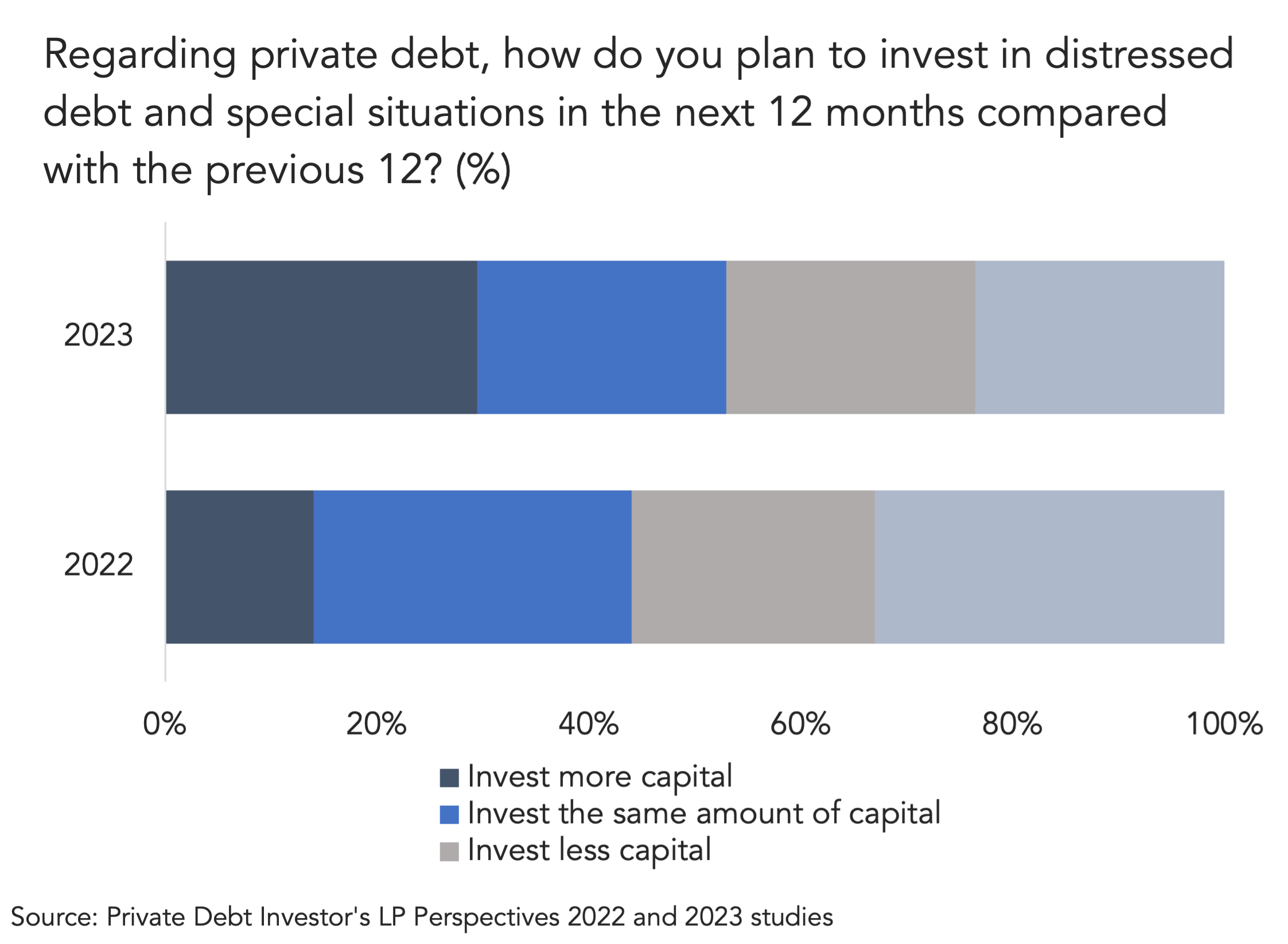
Special situations are emerging as a key fund focus in the 2023 mid-market, as managers respond to growing signs of distress driven by macroeconomic conditions.
Interviewed for our PDI Mid-Market Lending Report 2023, Ed Testerman, a partner at New York-based fund manager King Street Capital Management, told us there are many mid-market businesses whose debt service costs have doubled or more than doubled in the last 12 months due to the movement in base rates. Some, he says, have experienced “pretty severe” margin pressure from inflation and the inability to push through price rises.
“Many of those businesses are burning cash, and at the same time in leveraged loans there are over $100 billion of maturities coming due over the next two years,” he says. “So, there are problems that a lot of companies now all of a sudden have to address that weren’t present 12 to 18 months ago.”
The result is signs of a distressed debt opportunity for lenders and also special situations opportunities for funds that can help solve problems with flexible capital. The trick is to fund good businesses whose problems are temporary, rather than propping up the many challenged businesses seeking funding.
Europe has its own special set of constraints where businesses experiencing a reduction in margin, temporary or otherwise, plus an increased cost of capital and the need to refinance, will struggle in the current environment. At the same time, there is a reduction in the availability of capital from LPs driven by the denominator effect, which means opportunistic lenders are raising less capital and therefore have less capital to deploy to help solve problems.
US funds are also retreating to exploit their home market, further reducing the capital available to European borrowers in stress.
Christine Farquhar, global co-head of credit investment at Cambridge Associates, said this year is not so much about distressed strategies as opportunistic ones: “Managers who are nimble and flexible and good at picking up dislocations in public markets and getting involved in workouts for distressed sellers will do well. That has proven to be a good part of several managers’ strategies already and will continue to be a source of value in 2023 and 2024.”
(Past performance is no guarantee of future results.)


Latest news
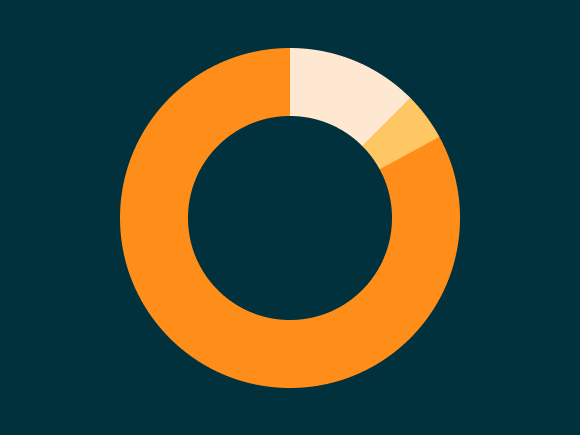
Top 50 BDCs Accounted for 75% of Nonaccrual Loan Cost in Q2’26
The 50 largest BDCs, on the basis of total debt investments as of the second quarter of 2026, accounted for 75% of the total aggregate reported value of nonaccrual debt at cost and fair value.

US private debt AUM ($B) by channel
In 2025 and the early part of 2026, the retail channel added AUM to the asset class at a much faster rate than institutional investors in both regions, with growth rates of 43.7% globally, 41.4% in the US, and 73. 1% in Europe through the beginning of 2026 compared with year-end 2024 figures.