



Download PitchBook’s Report click here.
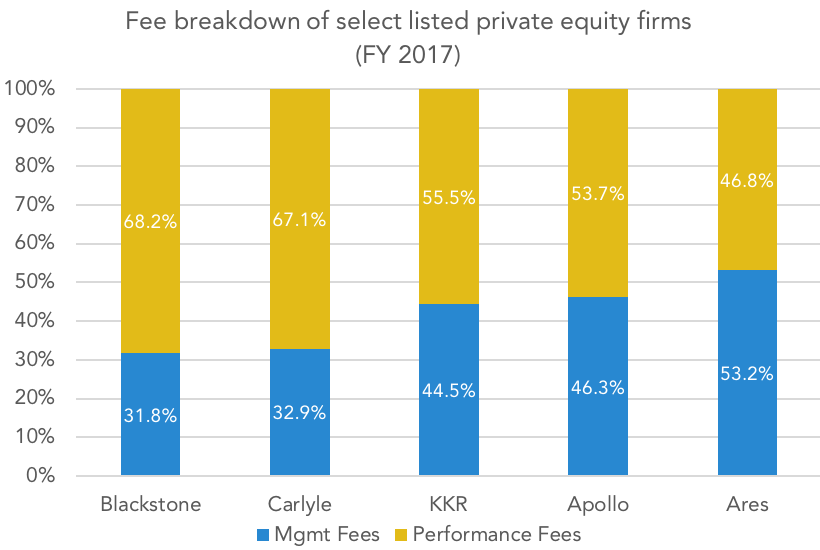
Limited partners have found plenty to complain about over the years. They aren’t high maintenance per se, but they do fuel the private equity industry, take an opportunity risk in doing so and often feel short-changed by GPs hungry for more management fee income. With returns moderating down post-crisis, the LP perspective will take on renewed importance in the years ahead, especially if the PE industry sputters on performance and insists on large-scale industry consolidation. Many GPs dream of becoming “asset gatherers” and diversifying beyond private equity, which sounds benign enough. Diversification is good, but so is skin in the game. LPs are understandably leery of GP motivations on this point. In the real world, a larger, more diversified base of managed assets can be code for more management fees. Most LPs—maybe all LPs—have a more positive view on performance fees and their built-in incentive structure. They want to keep their GPs’ electricity working, but they aren’t interested in subsidizing them indefinitely. Who can blame them?
Another GP-LP tiff is in the news, with Ares Management opting to convert from a partnership structure to a C-corp. Converting to a C-corp allows public PEGs a number of tax and regulatory advantages that ultimately boil down to higher share prices. The number of firms eligible to convert is small—essentially the large, publicly traded partnerships that have become household names: Blackstone, KKR, Apollo, Carlyle, et al. Still, it’s worth looking at this discussion from the eyes of the original LPs, as opposed to their “shareholders” in the public markets who can liquidate their PE exposure at a moment’s notice. Since those large firms began going public about ten years ago, it’s become clear that Wall Street analysts naturally gravitate toward the shareholders’ point of view. LPs raised this concern a long time ago, and that concern has largely come to pass: public PEGs are increasingly motivated by what the public market thinks of them, often at the expense of their LPs and their captured, illiquid fund commitments. But those same PEGs have fiduciary responsibility toward their LPs, and it isn’t clear how much of a priority that duty is at the moment. For LPs invested in those “public” funds, it might be worth asking their managers how quickly they check their stock prices in the morning.
Contact: Alex Lykken
alex.lykken@pitchbook.com


Latest news


Number of smaller funds dwindles
Analysis of fund-close data found that vehicles valued at under $250m have seen a rapid decline since 2024.While PEI Private…

US Private Credit Transparency Highlights Uneven BDC Performance
Credit performance across business development company (BDC) portfolios remains uneven, although reported losses and non-accruals were broadly stable quarter over quarter, according to Fitch Ratings’ Private Credit Transparency Monitor for 2Q26.